David Kelly david@davidkecom.com

Creative strategist · statics · video

I make ads that scale brands.

$90k in ad spend on my ads across three brands, each one scaled in under four months. I research the customer, find the angle, write the copy and make the static or video myself.

David Kelly

About

I’m David Kelly, a 17-year-old creative strategist from Arizona. I’ve been hooked on copywriting and marketing for years, and a year ago I joined EcomTalent to do it for real.

Since then, my ads have spent $90k across three brands, and each one scaled in under four months. I do the whole job: research the customer, find the angle, write the copy, and make the static or video myself.

Right now I’m also working directly with a supplement brand as a client. Those numbers stay private, so what you see here is only part of the work.

I’m a homeschooled senior, so my schedule is built around the work.

The three ads behind the number

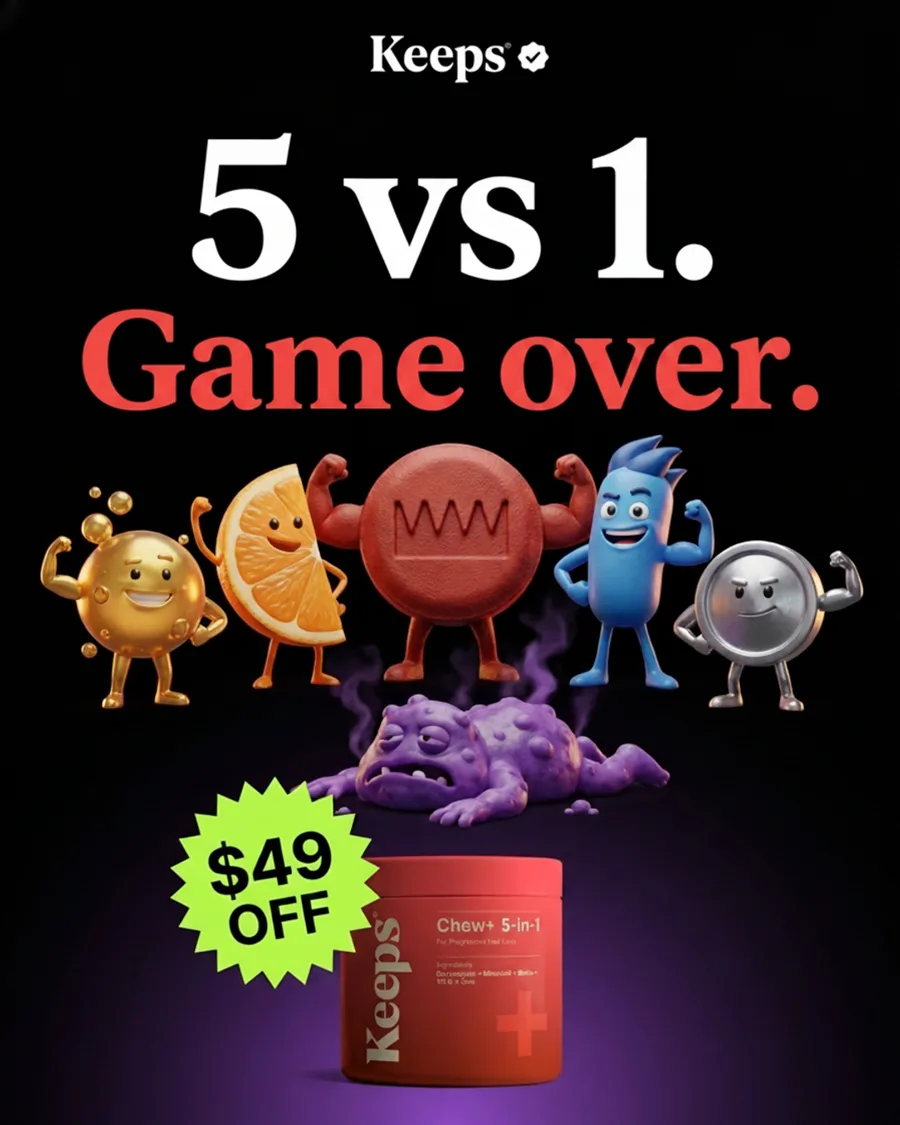
  1. Keeps static ad: five cartoon ingredient characters standing over a knocked-out purple DHT blob, headline '5 vs 1. Game over.'

    $22,142 spent

    Keeps · “5 vs 1. Game over.”

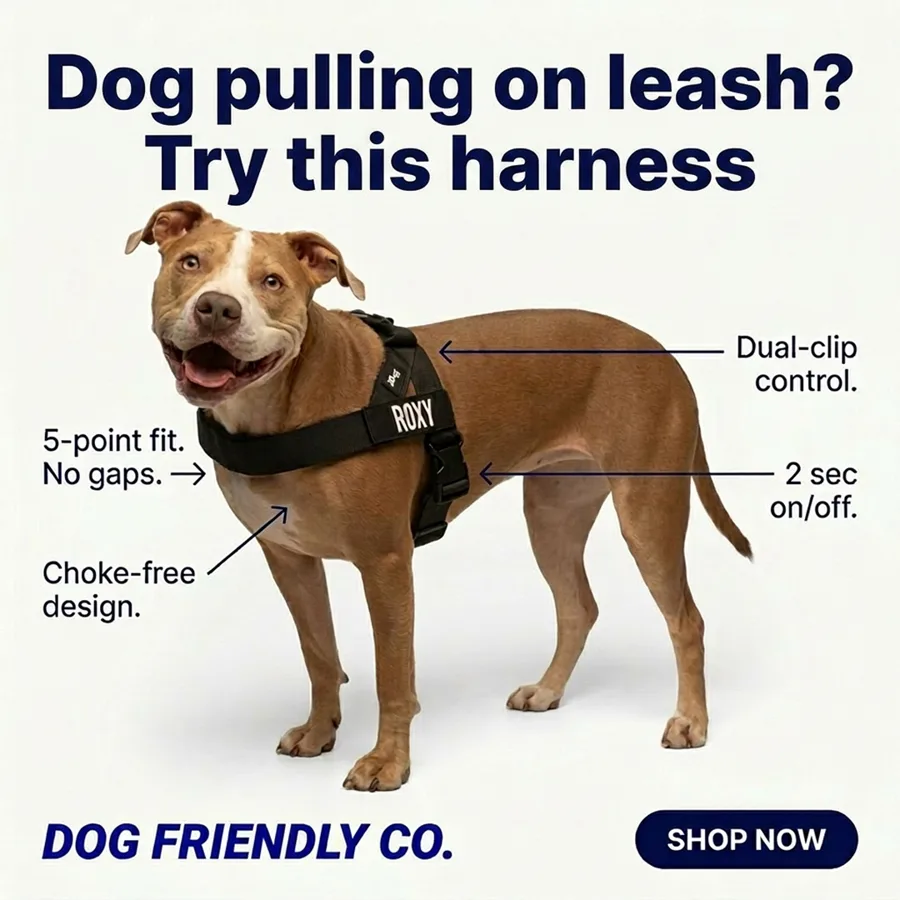
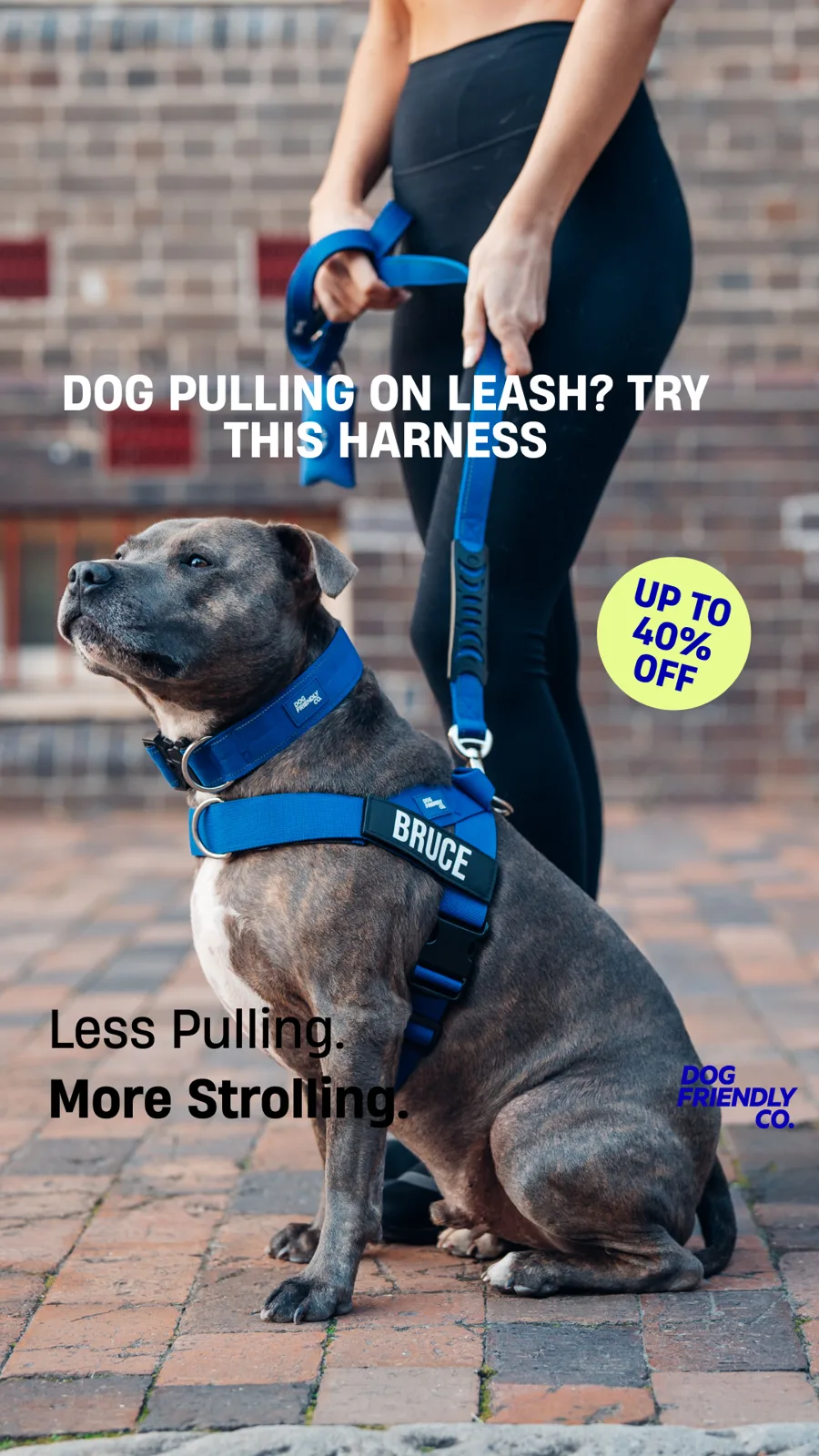
  2. Dog Friendly Co. static ad: a dog in a blue harness on a brick street, headline 'Dog pulling on leash? Try this harness'

    $19,979 spent

    Dog Friendly Co. · “Dog pulling on leash?”

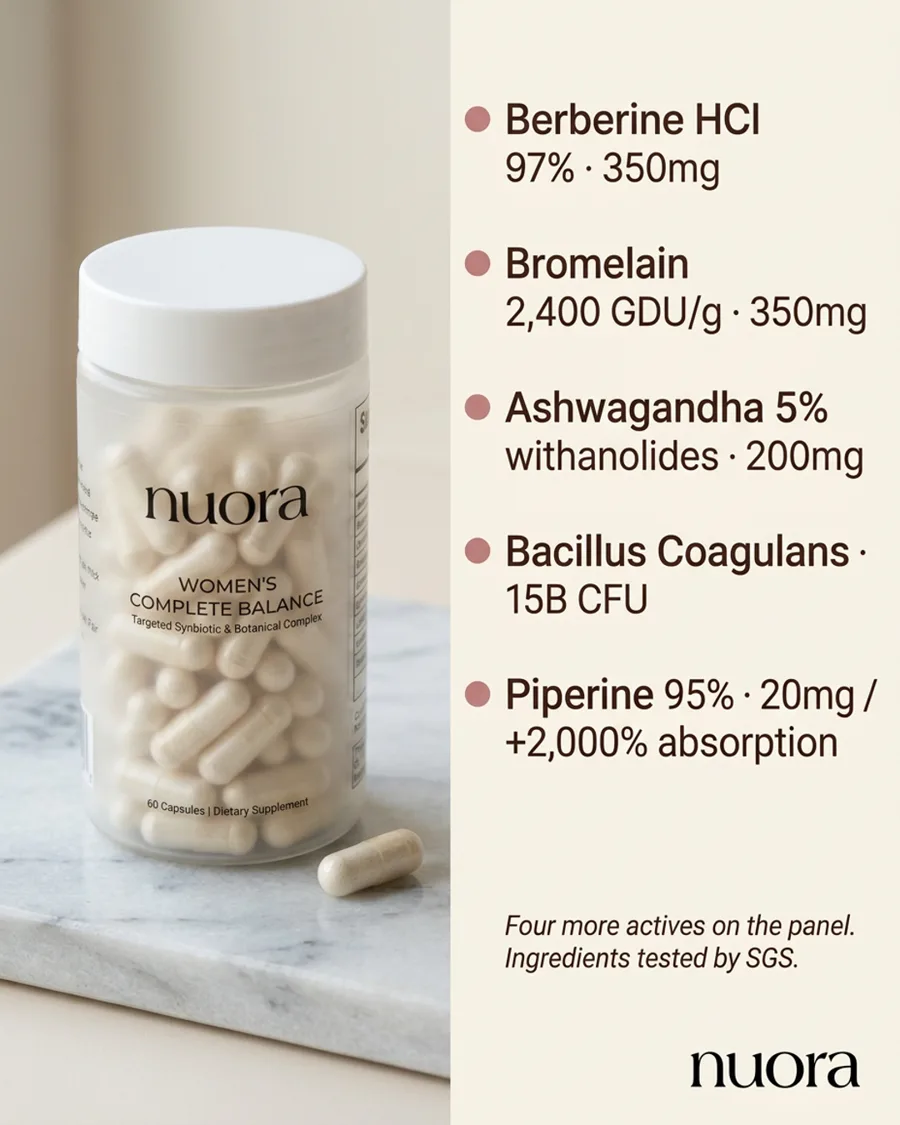
  3. Nuora static ad: the capsule bottle on marble beside a list of five ingredients and their doses

    $19,705 spent

    Nuora · the dose panel

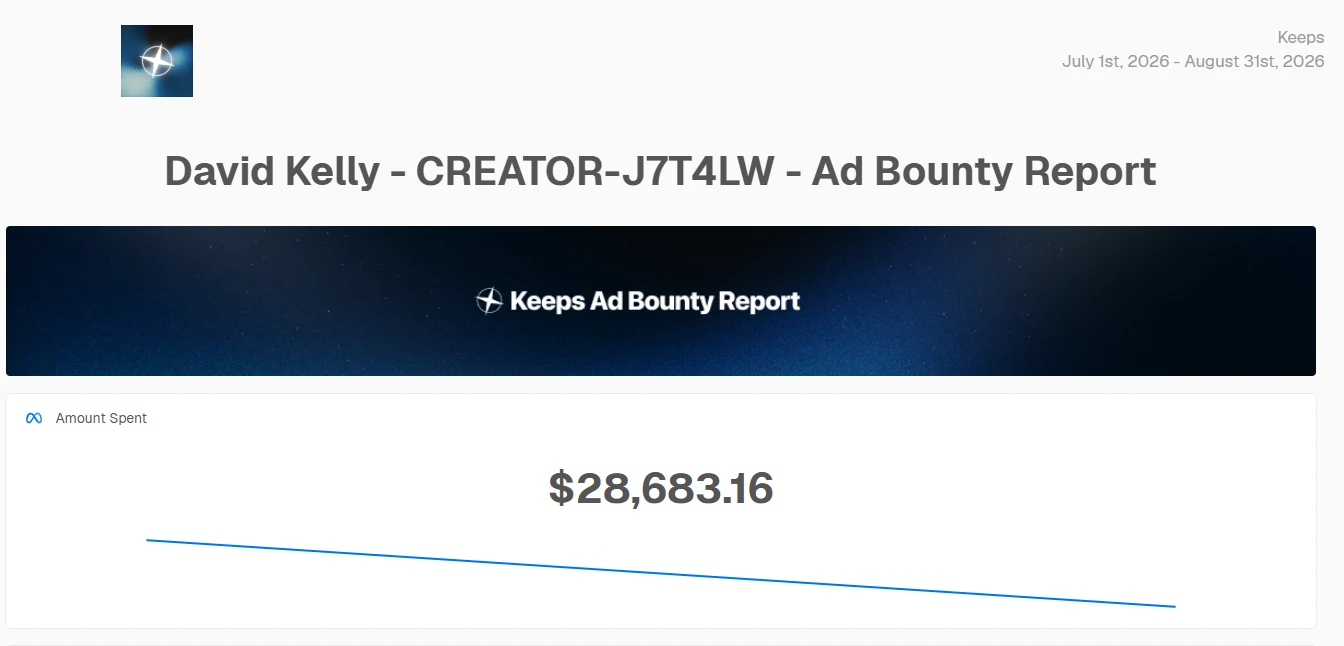
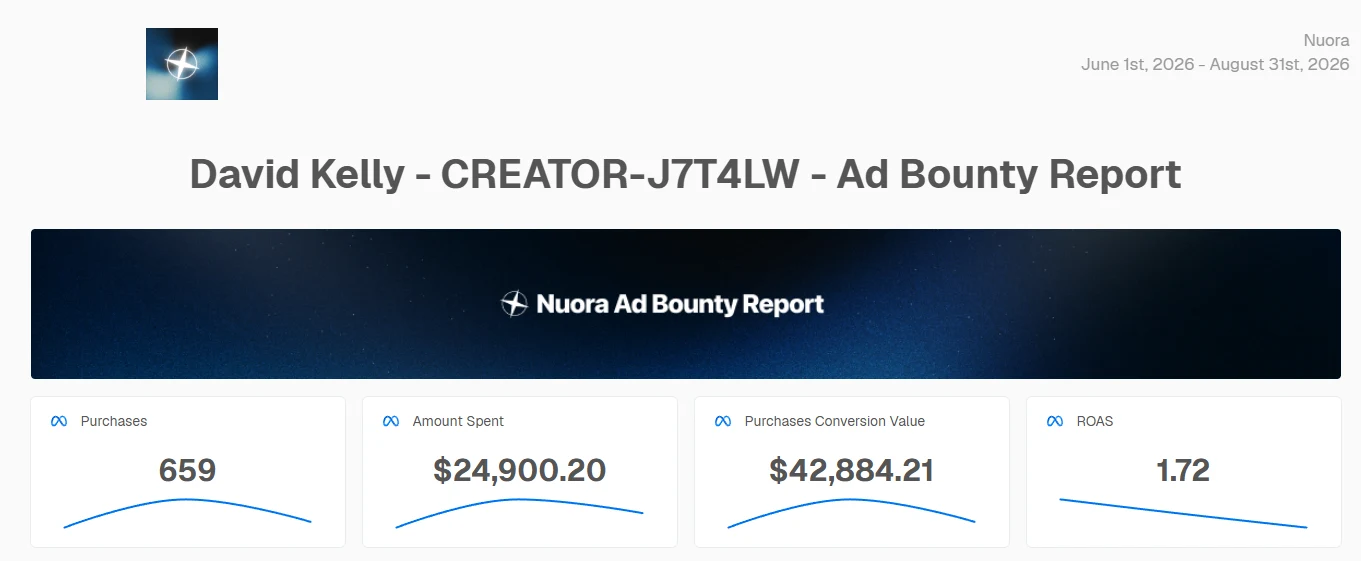
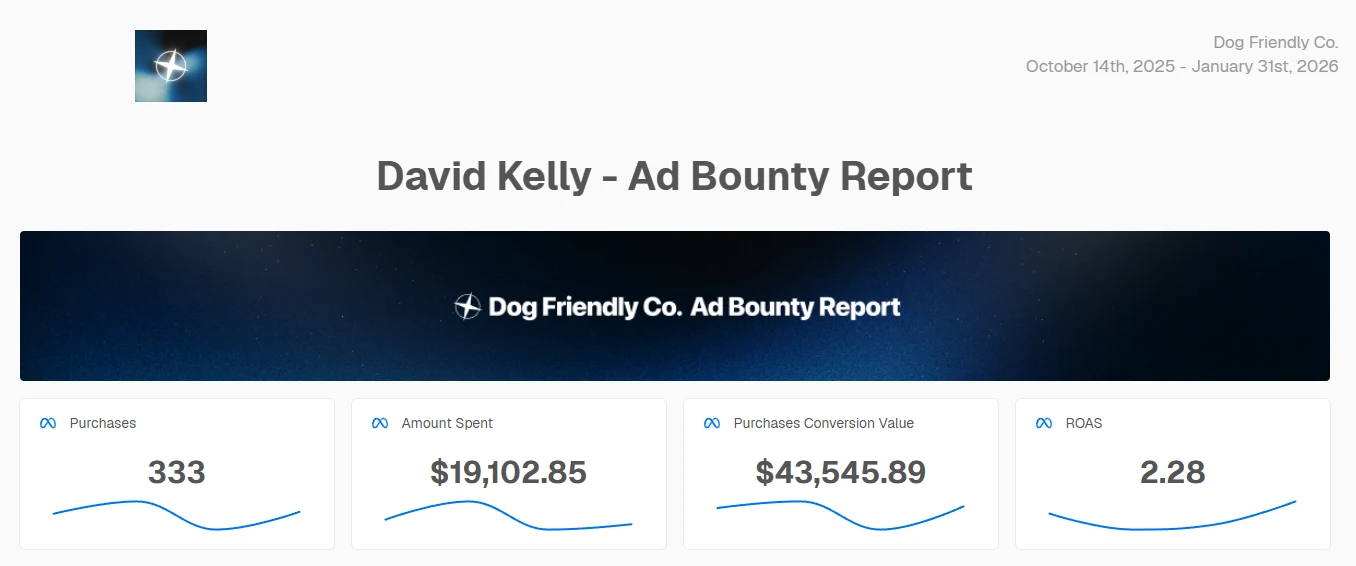
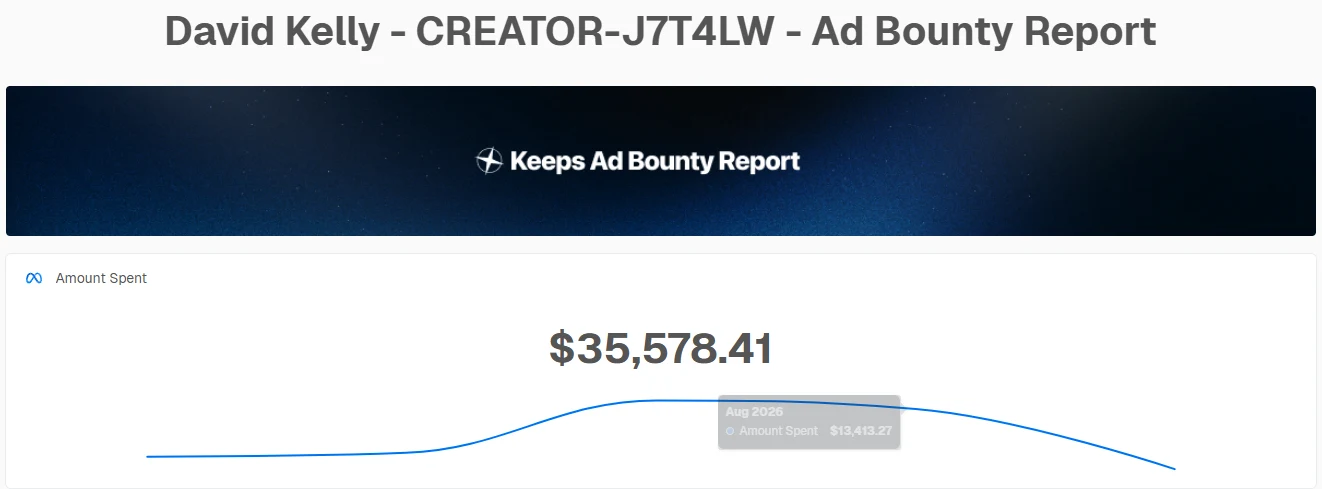
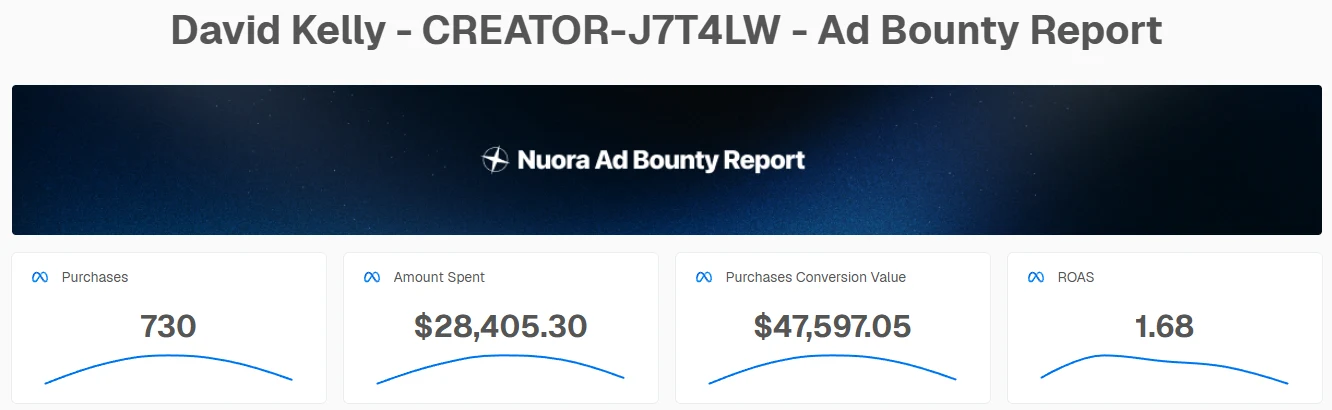
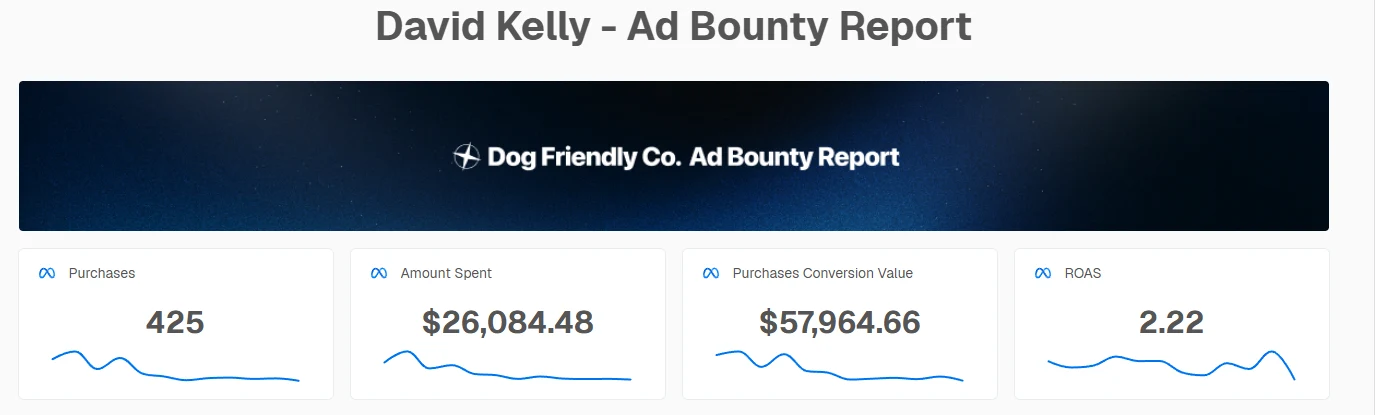
Spend from the Ecomtalent Ad Bounty dashboard. See the screenshots.

Work

Case studies

Keeps · men’s hair loss

Show the fight, not the science.

Ad spend
$35,578
ROAS
1.5x+*
Scale window
2 months

What I saw

Men’s hair loss has heard every claim, and the feed is bald scalps and before-and-afters. Keeps’ real edge is five actives in one chew against DHT, the hormone behind hair loss. Written out, that’s science nobody reads. The brand’s best ad was an animated fight between DHT and the drug.

What I made

The static version of that fight, frozen at the moment it’s won: five 3D ingredient characters, flexed, over a knocked-out DHT. DHT is the villain, not the man, so it hits the pain without shaming him. The offer stays in sight on the jar.

What happened

My first version got $1,192. The cleaner remake took $22,142, most of what Keeps spent on my ads. A busier comic-book version of the same idea lost, and so did the cast without the knockout. The fight already won is what sells.
Same image, three headlines, one batch.
  • Headline: 5 vs 1. Game over.

    $22,142

    “5 vs 1. Game over.”

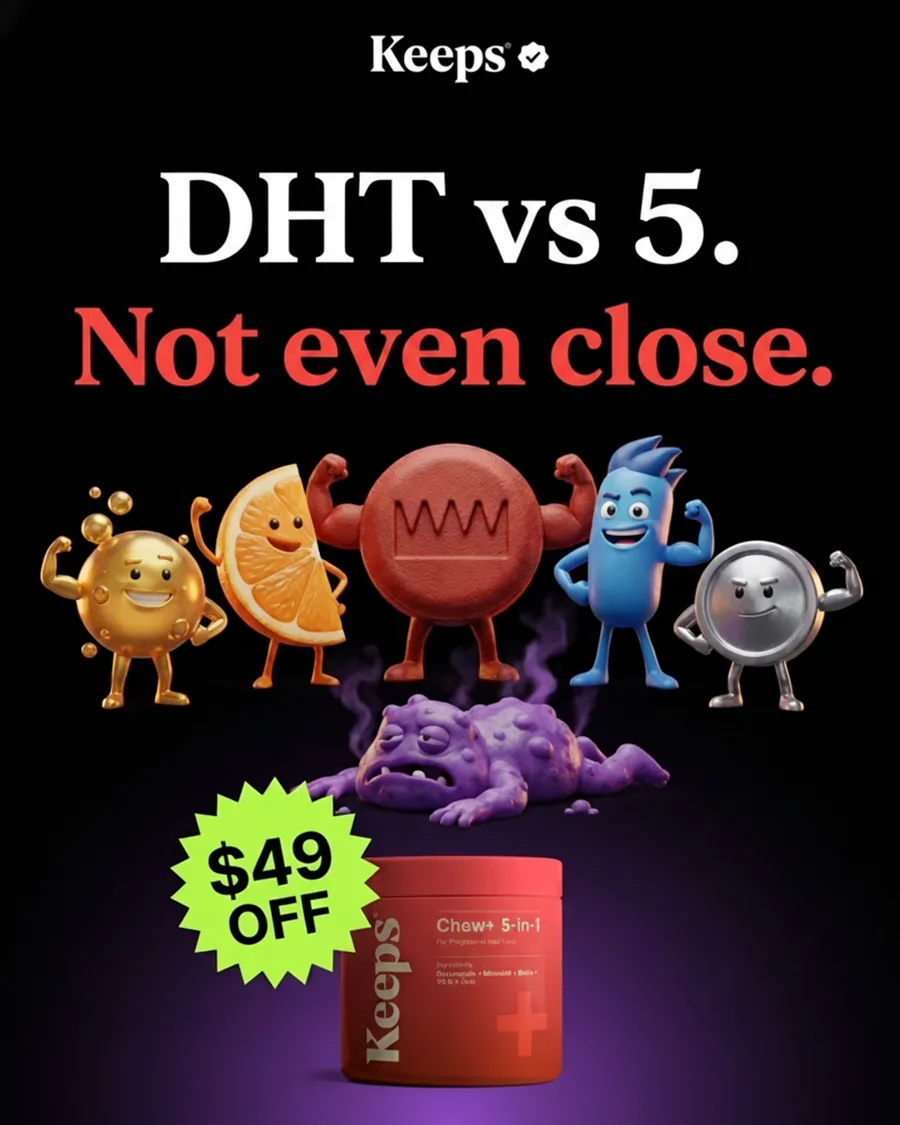
  • Headline: DHT vs 5. Not even close.

    $6,378

    “DHT vs 5. Not even close.”

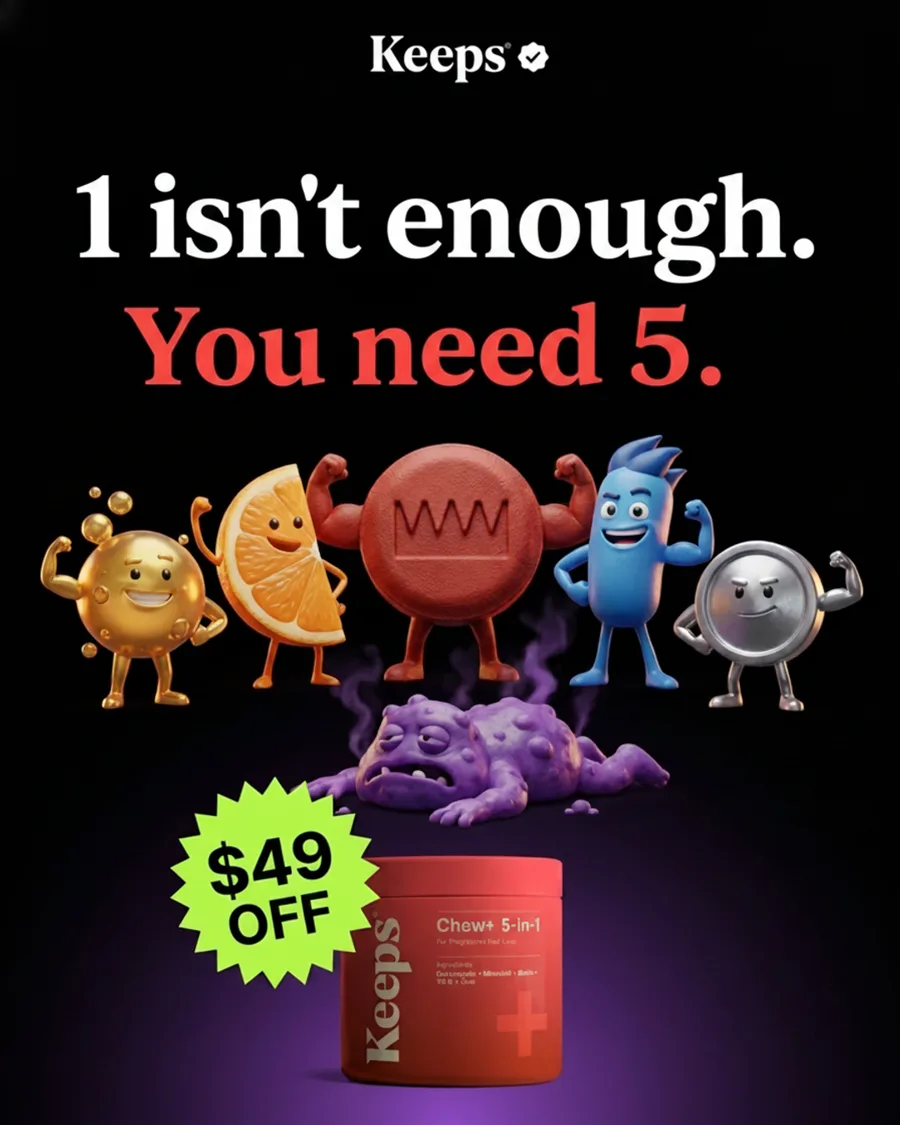
  • Headline: 1 isn't enough. You need 5.

    $49

    “1 isn’t enough. You need 5.”

The two lines that state the result got the budget. The one that gives an instruction got $49.

* My figure. The Keeps dashboard reports spend only.
Nuora · women’s gut health

Show the label.

Ad spend
$28,405
Revenue
$47,597
Purchases
730

What I saw

Supplement buyers are always confused about what’s in the bottle and how much, and they think it’s scummy when a brand hides it. In Nuora’s own customer survey, not knowing the ingredients and doses was the fourth most common complaint.

What I made

An ad that is only the label: the bottle, five actives and the dose of each. No headline, no promise. One line at the bottom: “Four more actives on the panel. Ingredients tested by SGS.”

What happened

The transparency was the message. Meta found the people already reading labels and comparing products, and because Nuora is a big brand there was room to scale: $19,705 spent and 525 purchases on this one ad.

The winner, and the rest of its batch.
  • Nuora dose-panel ad

    $19,705 · 1.73 ROAS · 525 purchases

    The dose panel

  • Ingredient diagram
    $42
  • Comparison card
    $19

Dog Friendly Co. · no-pull harness

Let the customer’s question be the headline.

Ad spend
$26,084
Revenue
$57,965
ROAS
2.22

What I saw

Every no-pull harness promises no pulling. In the research, owners wrote “pulling on the leash” 357 times and “stop him pulling” 1,030 times. The problem was already in their words.

What I made

One photo, three headlines, on purpose, so the only thing that changed was the message: an outcome, an emotion, and the problem said plainly.

What happened

Only the plain question got spend: $19,979, 331 purchases, 2.33 ROAS. Then I ran it the other way round, the same headline over three different bodies. The proof stack won that one.

Test 1 · one photo, three headlines.
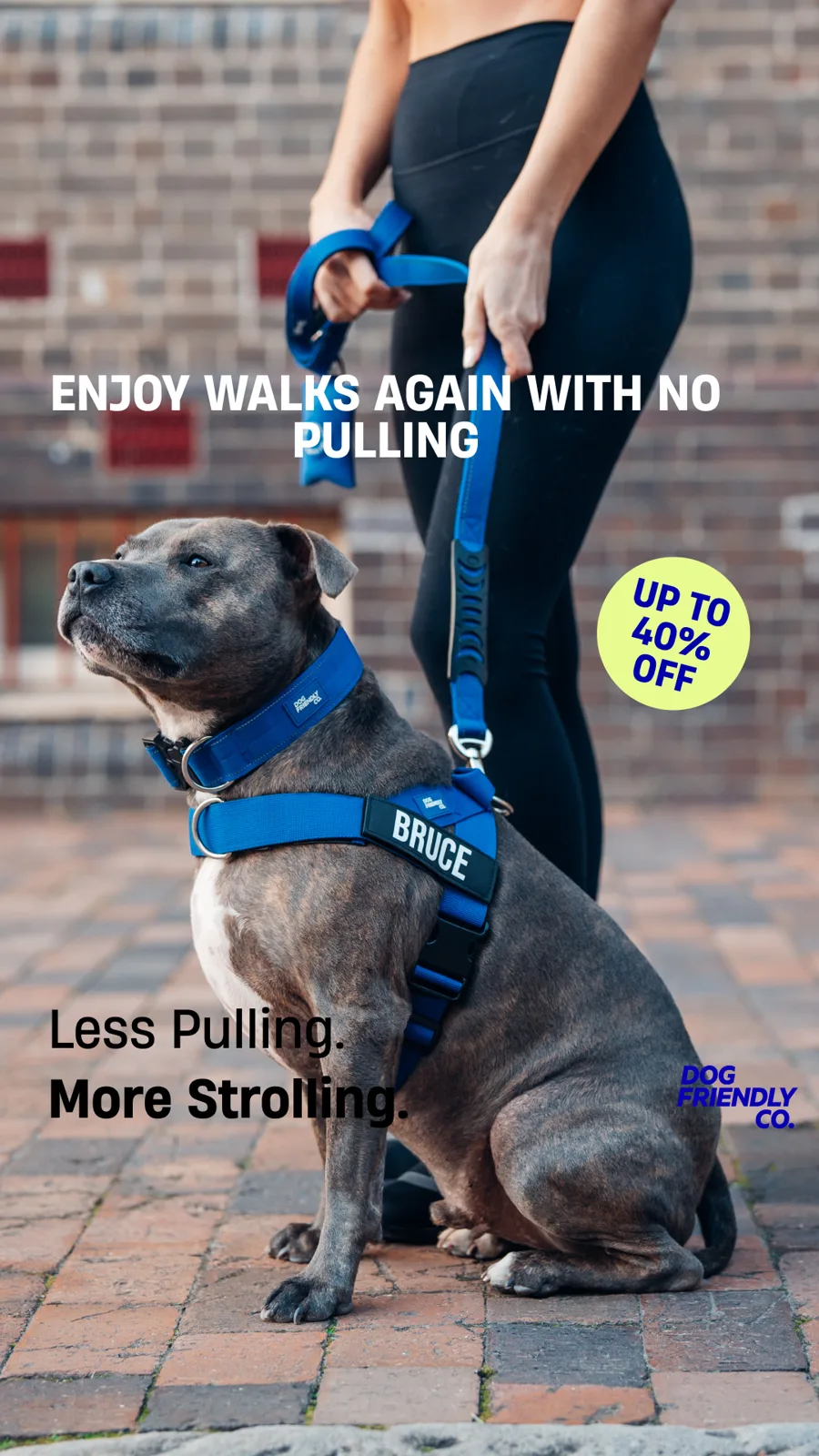
  • Headline: Enjoy walks again with no pulling

    no spend

    Outcome · “Enjoy walks again with no pulling”

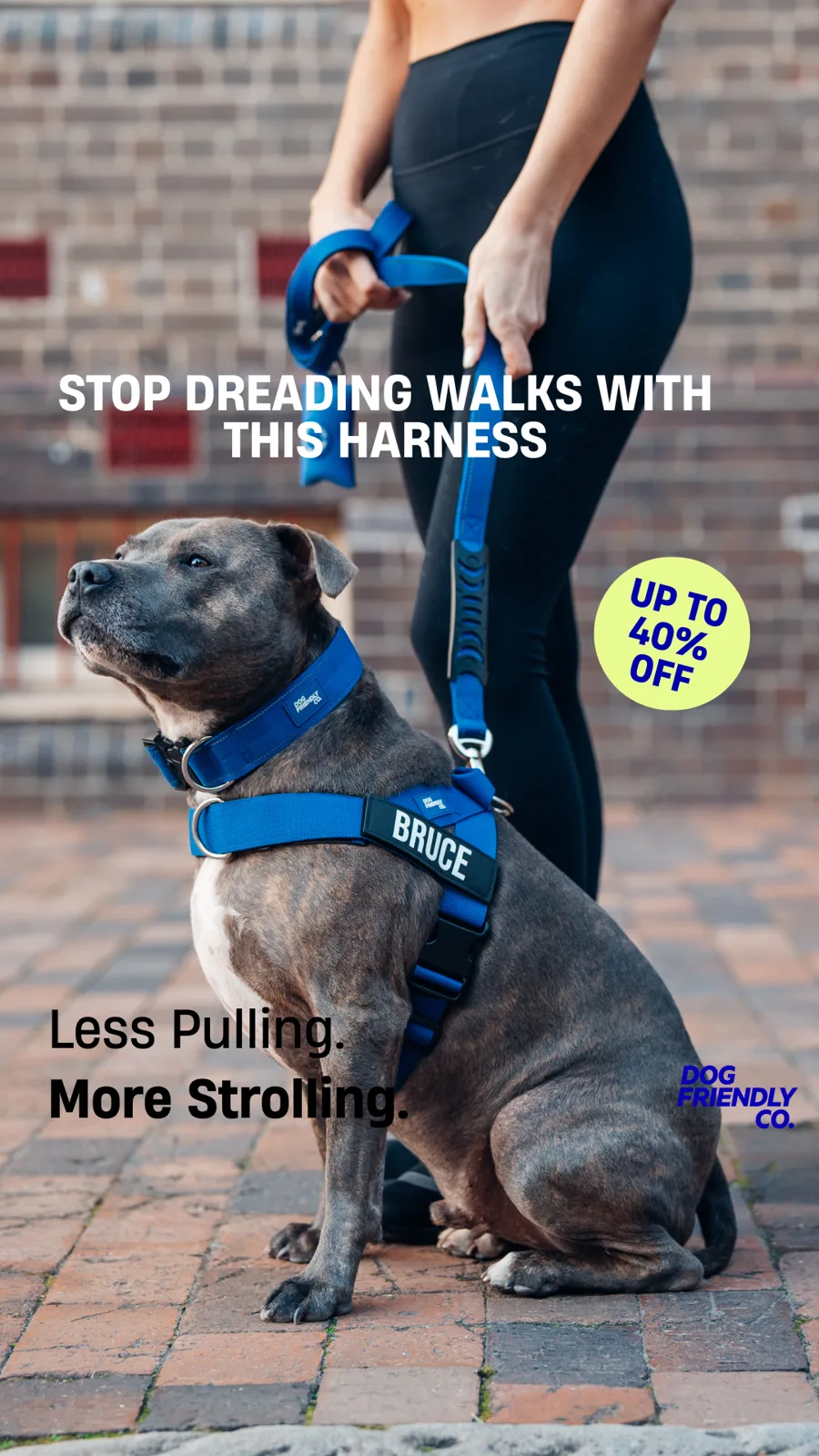
  • Headline: Stop dreading walks with this harness

    no spend

    Emotion · “Stop dreading walks with this harness”

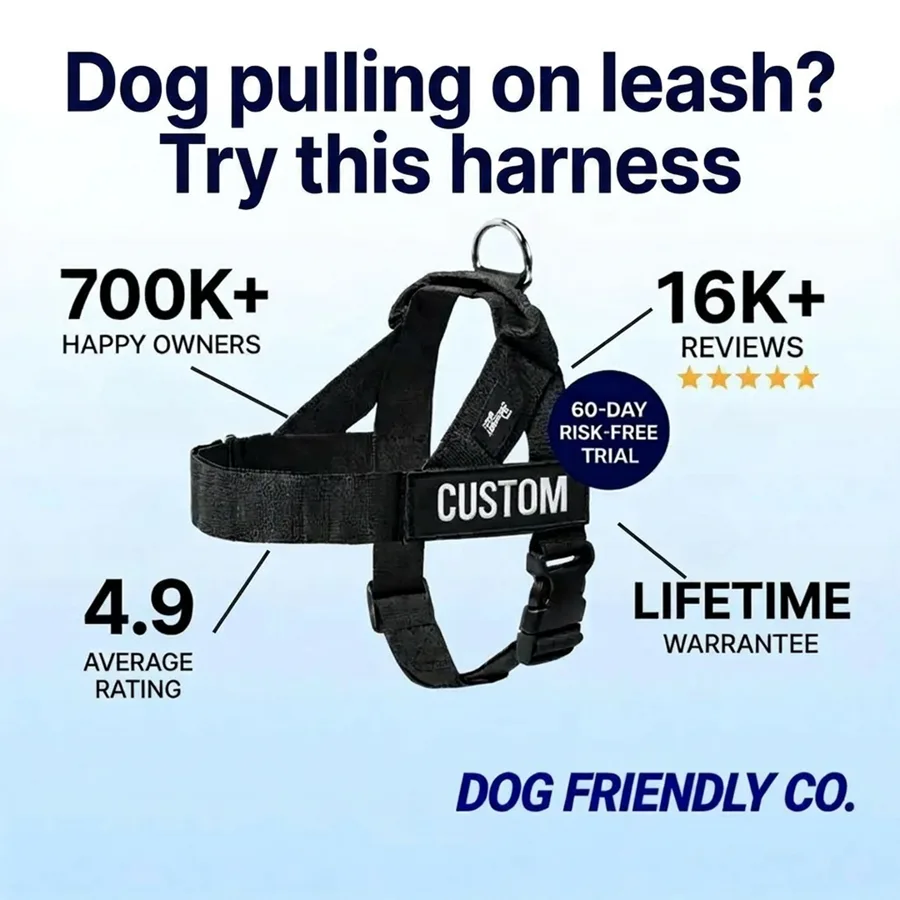
  • Headline: Dog pulling on leash? Try this harness

    $19,979

    Problem · “Dog pulling on leash? Try this harness”

Test 2 · one headline, three bodies.
  • Proof stack: 700K+ owners, 16K+ reviews, 4.9 rating, lifetime warranty

    $3,052

    Proof stack

  • A dog wearing the harness with feature callouts

    $36

    Features on the dog

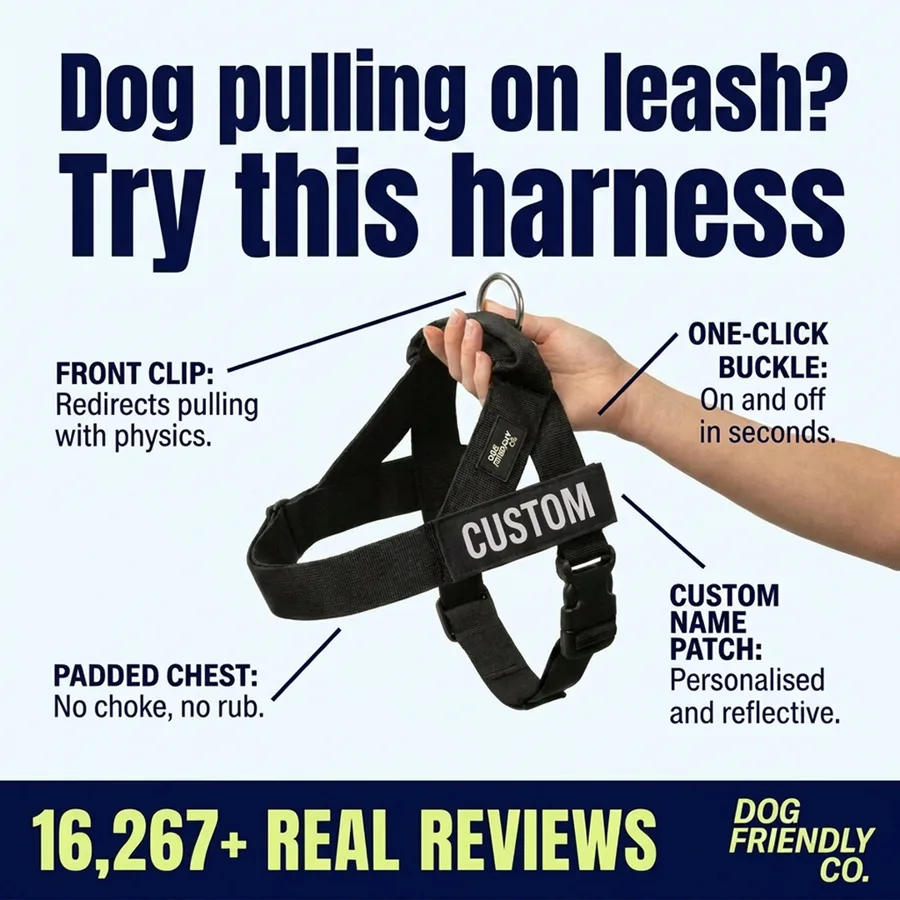
  • The harness held in a hand with feature callouts and a reviews strip

    $10

    Features in hand

The headline picks the audience. Under it, proof beat features.

How I do research

Every ad starts with the customer’s own words. I don’t write a line until I can say who it’s for, what they want and what they’ve already heard.

  1. Read everything they wrote

    Reviews, Reddit threads, TikTok comments, the comments under the brand’s ads and its competitors’, customer surveys. Thousands of lines per brand.

  2. Keep their exact words

    I sort it into a phrase bank: pains, outcomes, objections, the words they use for the problem. Dog owners wrote “stop him pulling” 1,030 times. That became the headline.

  3. Find who it’s for and what they want

    From the research I build the avatars and the mass desires behind them, and read how aware and how sophisticated the market is, so I know what kind of ad it needs.

  4. Pick an angle, then test it

    First wide: three different angles in one batch to find the direction. Then deep: one angle that got spend, made in new formats, until it stops scaling.

How I use AI

AI does the grunt work. I do the thinking. Everyone has the same AI, so the edge is what you put into it and what you throw away.

Receipts

Screenshots from the Ecomtalent Ad Bounty dashboard. Each brand’s scale window, then all time.